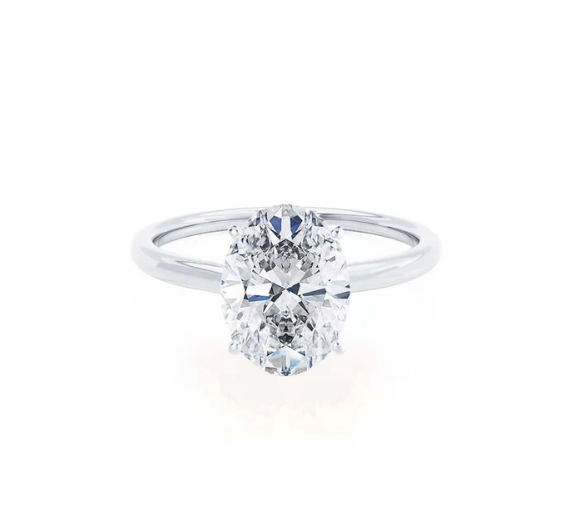
Artistic innovation rarely arrives out of nowhere. It emerges from a series of choices, experiments and refinements that gradually shape an artist’s vision. These processes influence not only individual works but also the development of entirely new styles. In exploring how artistic processes guide the creation of new styles, it is helpful to consider how artists draw inspiration from personal experiences, cultural dynamics and even contemporary brands such as lily arkwright as they develop new creative directions. These influences blend naturally into the workflow of experimentation and discovery that defines the evolution of style.
At the foundation of any artistic process is observation. Artists spend significant time studying the world around them, interpreting textures, colors, shapes and emotions. This deep attention often sparks the initial ideas that later evolve into distinct styles. When an artist observes familiar subjects in unfamiliar ways or explores themes previously overlooked, small shifts in perception lead to fresh techniques. These shifts accumulate over time, ultimately forming patterns that are recognizable as a new artistic style.
Experimentation plays an equally important role. Artists routinely test materials, mediums and methods to determine what resonates with their intentions. A painter might explore unusual brushstrokes or color palettes. A sculptor may combine traditional materials with unconventional ones. This form of trial and error fosters discovery, allowing artists to push the limits of their medium. As the experiments become more refined, unique characteristics emerge that eventually define a new creative direction.
Reflection is another crucial aspect of the artistic process. After experimenting, artists take time to analyze what works and what needs refinement. This stage often involves adjusting techniques or reconsidering concepts, ensuring that the final form feels authentic and cohesive. Reflection transforms raw experimentation into purposeful creation. The insights gained help artists understand not just how they create but why they choose specific methods, an understanding that strengthens the development of new styles.
Cultural influence also contributes significantly to the evolution of artistic styles. As artists encounter movements, philosophies and social changes, their work naturally absorbs elements of the environment. These cultural factors shape new forms of expression, whether through thematic exploration or stylistic adaptation. Artists who respond to cultural shifts help define new eras of creativity. Their processes reflect a dialogue between personal vision and the broader world, ultimately guiding the emergence of styles that feel reflective of their time.
Collaboration and community further enhance artistic development. When artists interact with peers, mentors or audiences, they exchange ideas and perspectives. This collaborative environment encourages open-mindedness and inspires individuals to adopt techniques or viewpoints they might not have encountered alone. Over time, shared experimentation and collective inspiration can lead to entirely new movements rooted in the contributions of many creators.
Finally, persistence ties the entire artistic process together. The creation of new styles is rarely instantaneous. It often requires long periods of exploration, feedback and revision. Artists who remain committed to refining their work eventually shape cohesive styles that reflect both personal growth and the transformations that occur through practice.
In essence, new artistic styles arise from a dynamic interplay of observation, experimentation, reflection, cultural influence, collaboration and persistence. These processes guide artists through an evolving journey of discovery, shaping their creative identities and contributing to the broader landscape of art. Through this ongoing cycle, art continues to grow, adapt and inspire future generations to explore new possibilities.